
Understanding Loteria: A Game of Fortune
Loteria, a popular game of chance, has captured the imagination of countless participants. Its roots dig deep into history, offering a blend of excitement, anticipation, and cultural depth. In various regions, Loteria is not just a game but a social event, a tradition passed down through generations. While it's often compared to bingo, Loteria's unique elements set it apart.
The Origins of Loteria
The history of Loteria can be traced back several centuries. The game has evolved from its European origins, adapting to the cultural nuances of the regions it has traveled through. Its journey from Europe to Latin America and eventually to a broader global audience is a testament to its enduring appeal. Each region has contributed to the aesthetics and rules of Loteria, keeping the core essence intact while introducing local flavors.
The Appeal of Raspadinha
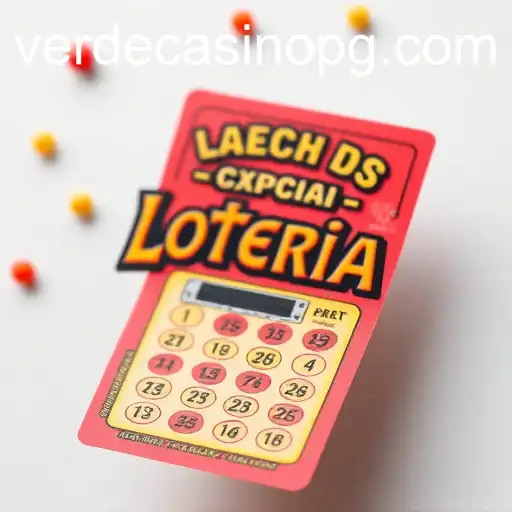
Within the wide gamut of Loteria, the rasapadinha holds a special place. The raspadinha, or scratch card, offers an instant gratification that many find irresistible. It combines the simple pleasure of revealing hidden numbers or symbols with the thrill of potentially winning a prize. This immediate result is a stark contrast to the traditionally longer gameplay of Loteria.
Raspadinha cards are widely accessible, making them a favorite among both casual and regular players. Their affordability and ease of play enhance their popularity, allowing people from various economic backgrounds to partake in the game of chance.
Cultural Significance of Raspadinha
Beyond its role as a game, raspadinha carries cultural significance. In many cultures, these scratch cards are not just seen as a chance to win money but as part of a social ritual. Purchases are often made in groups, encouraging social interaction and shared excitement. This communal aspect turns a simple game into a shared cultural experience.
The personal and collective experiences attached to raspadinha have made it an integral part of celebratory events and gatherings. The cards often feature festive themes, aligning with national holidays or local celebrations, thereby embedding themselves into the cultural fabric of society.
Economic Impacts
The economic contributions of games like Loteria and raspadinha are noteworthy. They generate significant revenue, which is often funneled into public projects and social welfare programs. The regulated nature of these games ensures that they remain a sustainable financial resource while providing entertainment to the public.
The economic model behind raspadinha is built on low-entry costs for players, fostering inclusivity and mass participation. This broad base of participants guarantees a steady income stream for organizers and state programs reliant on lottery revenues. In this way, players are not just investing in a personal chance to win, but also indirectly contributing to civic improvements.
The Future of Loteria
As with many traditional games, Loteria is evolving with the times. Technological advancements have introduced digital versions of Loteria and raspadinha, broadening their reach and appeal. Online platforms offer the same excitement of playing with increased convenience and accessibility.
The transition to digital platforms introduces a new layer of complexity and opportunity. It allows for innovative gameplay mechanics and the potential for larger, more diverse prize pools. Moreover, digital integration ensures that Loteria remains relevant in a rapidly changing entertainment landscape.
Conclusion
Though Loteria and raspadinha have evolved, their core appeal remains unchanged. The blend of anticipation and chance continues to draw audiences worldwide, demonstrating the timeless nature of these games. As they navigate modernity, their cultural and economic roles persist, ensuring their continued relevance in a fast-paced world.